
A confident smile is often considered a reflection of one’s overall well-being and self-assuredness. However, millions of people worldwide struggle with missing teeth, which can lead to a decline in self-esteem, difficulty in chewing, and even adverse effects on oral health. Dental implants have emerged as a groundbreaking solution to these issues, offering patients a lifelike and permanent tooth replacement option. In this article, we will explore the fascinating world of dental implants, from their history and technology to their benefits and the implantation process.
I. A Brief History of Dental Implants
The concept of replacing missing teeth with artificial ones has been around for thousands of years, dating back to ancient civilizations such as the Egyptians and Mayans. In ancient times, people used materials like seashells and ivory to craft rudimentary tooth replacements. However, it was not until the 20th century that dental implants as we know them today began to take shape.
The breakthrough in dental implant technology came in the 1950s when Swedish orthopedic surgeon Dr. Per-Ingvar Brånemark discovered that titanium could successfully fuse with bone, a process he called osseointegration. This discovery led to the development of modern dental implants, which utilize titanium as the foundation for tooth replacements. Since then, dental implant technology has continued to evolve, becoming a safe and highly effective solution for missing teeth.
II. Dental Implant Components
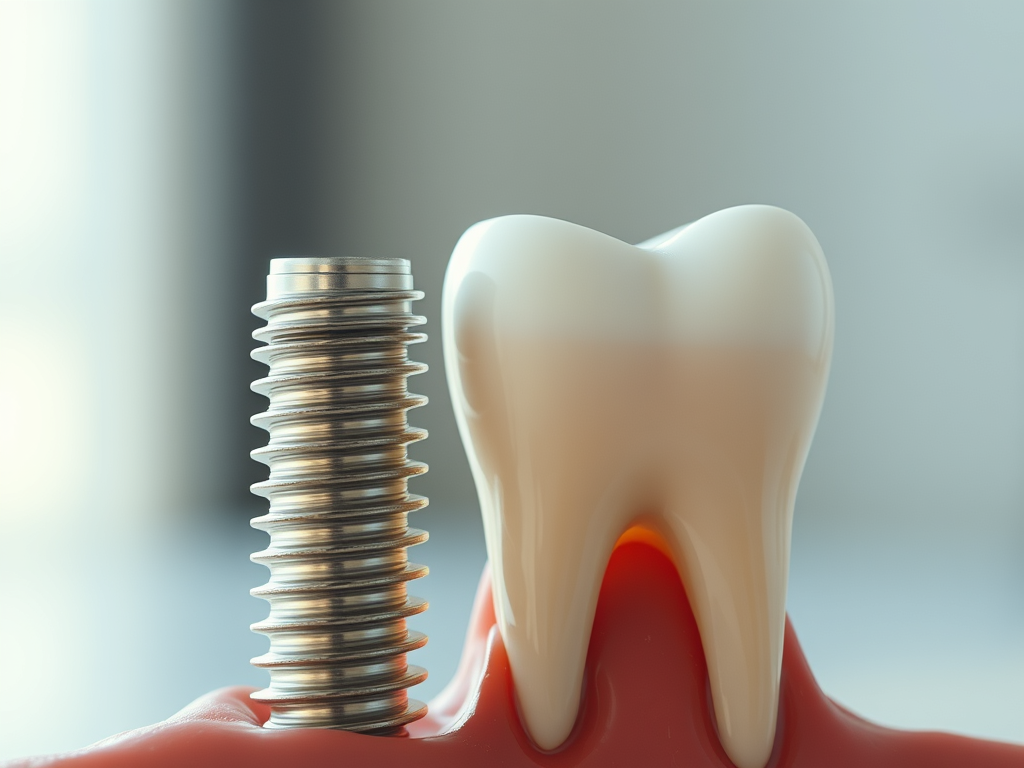
Dental implants consist of several key components that work together to create a functional and lifelike replacement tooth. These components include:
- The Implant Fixture: This is a small, screw-like post made of biocompatible materials, typically titanium, that is surgically placed into the jawbone. The implant fixture serves as the root of the artificial tooth and is essential for stability and osseointegration.
- The Abutment: The abutment is a connector piece that is attached to the implant fixture after osseointegration has occurred. It serves as the anchor for the prosthetic tooth or crown.
- The Crown: The crown is the visible part of the dental implant that resembles a natural tooth. It is custom-made to match the patient’s natural teeth in terms of size, shape, and color. Crowns are typically made of ceramic materials for a realistic appearance.
III. The Advantages of Dental Implants
Dental implants offer numerous advantages over traditional tooth replacement options, such as dentures and bridges. Some of the key benefits of dental implants include:
- Improved Aesthetics: Dental implants look and feel like natural teeth, providing patients with a beautiful and confident smile. They seamlessly blend with existing teeth, making them virtually indistinguishable.
- Enhanced Speech and Chewing: Unlike removable dentures that can slip or cause discomfort, dental implants provide stability and allow for normal speech and chewing. This makes it easier for patients to enjoy their favorite foods without restrictions.
- Durability: Dental implants are designed to be a permanent solution. With proper care, they can last a lifetime, eliminating the need for frequent replacements, as is common with dentures.
- Bone Health: Dental implants promote bone preservation in the jaw. When teeth are lost, the surrounding bone can deteriorate over time. Implants stimulate the jawbone, helping to maintain its strength and structure.
- Convenience: Dental implants do not require adhesives or special cleaning routines, as is the case with dentures. They can be cared for just like natural teeth, with regular brushing and flossing.
- Increased Self-Esteem: Dental implants can boost self-confidence by providing a smile that looks and feels natural. This can have a positive impact on one’s overall well-being and quality of life.
IV. The Dental Implant Procedure
The dental implant process typically involves multiple stages and requires collaboration between the patient, the dentist, and often a dental specialist. Here’s an overview of the general steps involved in getting dental implants:
- Initial Consultation: The process begins with an initial consultation where the dentist assesses the patient’s oral health and discusses their treatment goals. This may include X-rays and 3D imaging to evaluate bone density and structure.
- Treatment Plan: Based on the assessment, the dentist develops a personalized treatment plan, which may involve tooth extraction, bone grafting, or other preparatory procedures if necessary.
- Implant Placement: In the next phase, the implant fixture is surgically placed into the jawbone. This is done under local anesthesia, and the patient’s comfort is a top priority. After the procedure, a healing period of several months is required for osseointegration to occur.
- Abutment Attachment: Once osseointegration is complete, an abutment is attached to the implant fixture. This component connects the implant to the prosthetic tooth.
- Prosthetic Tooth Placement: Finally, the custom-made crown is attached to the abutment. The crown is designed to match the patient’s natural teeth in terms of size, shape, and color, ensuring a seamless and aesthetically pleasing result.
V. Post-Implant Care and Maintenance
After receiving dental implants, proper care and maintenance are essential to ensure their longevity and effectiveness. Patients should follow these key steps:
- Regular Oral Hygiene: Continue with a regular oral hygiene routine that includes brushing, flossing, and rinsing with an antimicrobial mouthwash. This helps prevent gum disease and maintain the health of the surrounding teeth.
- Dental Check-ups: Visit the dentist for regular check-ups and cleanings. These appointments allow the dental team to monitor the condition of the implant and address any issues promptly.
- Avoid Damaging Habits: Avoid habits that can damage the dental implant, such as chewing on hard objects, opening packages with your teeth, or grinding your teeth at night. These activities can put stress on the implant and abutment.
- Dietary Considerations: Be mindful of dietary choices, especially during the initial healing period. Soft foods and a balanced diet can promote healing and reduce the risk of complications.
Conclusion
Dental implants have revolutionised the field of dentistry, providing patients with a permanent and aesthetically pleasing solution for missing teeth. With their natural appearance, durability, and ability to restore function, dental implants offer a life-changing option for those seeking to regain their confident smile. As technology continues to advance and implant procedures become more accessible, the future looks bright for those in need of a tooth replacement solution that truly stands the test of time. If you’re considering dental implants, consult with a qualified dentist to explore the best options for your specific needs and embark on the journey to a healthier, more confident you.