
Introduction
Why Dental Nurses With Oral Hygiene Qualifications Are Essential to Modern Practice
Introduction
Dental nurses who pursue oral hygiene qualifications bring enormous value to both patients and dental teams. Their enhanced skills support prevention, improve patient education, and streamline clinical workflow. Having worked with many such nurses, I’ve seen how their confidence, clinical ability, and sense of professional identity grow dramatically once they step into an extended duty role. This added training doesn’t just benefit the practice, it really transforms patient care.
A Real Story from Practice
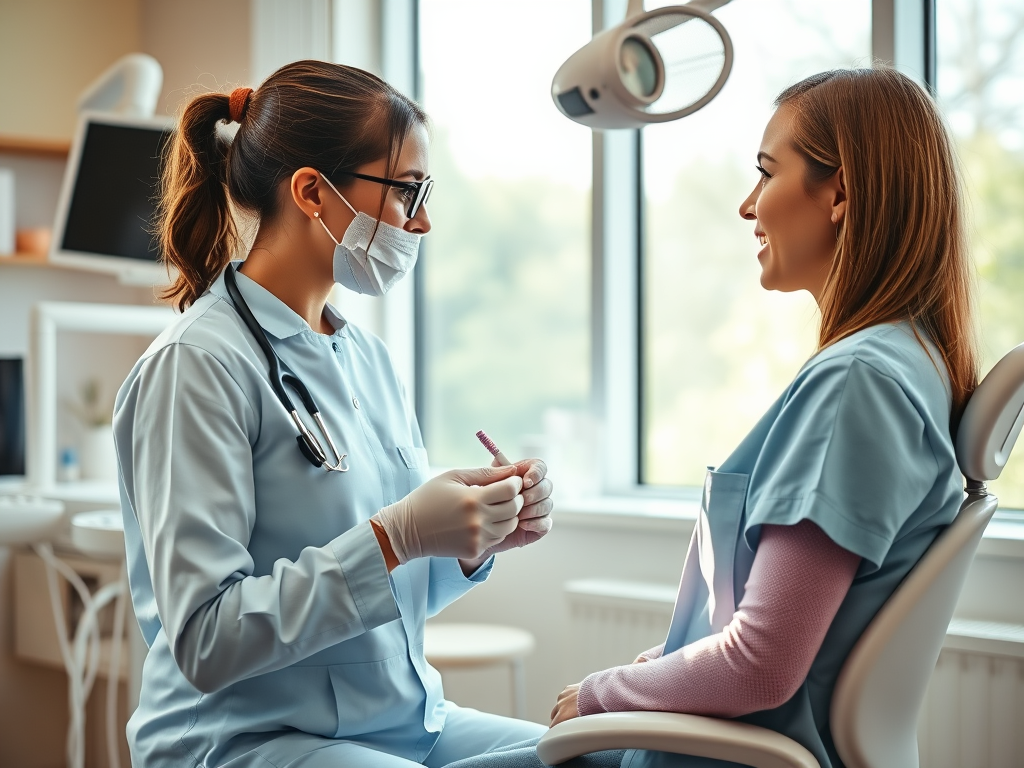
I witnessed a dental nurse with an oral hygiene qualification working with an anxious patient who had heavy plaque and early gum disease. Her skill and friendly approach helped the patient understand brushing techniques clearly.
A few weeks later, the patient returned with much improved gum health, showing how trained dental nurses can actively drive better patient outcomes.
What This Topic Is About
This blog explores the value, impact, and practical importance of dental nurses who obtain oral hygiene qualifications. These extended duties allow nurses to contribute more meaningfully to preventive care, patient education, and periodontal health. By upskilling, they strengthen the practice, improve efficiency, and elevate the overall standard of care.
Why This Training Matters for Dental Professionals
Dental nurses with oral hygiene qualifications play a vital role in delivering modern preventive dentistry. Their specialised training:
- Builds core preventive and periodontal knowledge
- Improves clinical decision making during hygiene appointments
- Provides structured learning that enhances confidence and skill
- Prepares nurses to manage real patient cases independently and effectively
From periodontal screenings to oral hygiene instruction, their contributions help reduce disease progression and support long-term patient health.
Key Learning Points
Dental nurses undertaking oral hygiene training typically develop strong competencies in:
- Treatment planning for basic preventive care
- Basic periodontal and hygiene principles
- Digital workflows for charting and documentation
- Understanding radiographic and CBCT basics to support diagnosis
- Hands-on practice with instruments, assessments, and patient communication
- Implant and restorative case assessment (especially in practices offering advanced treatments)
These skills enhance the nurse’s role and improve the practice’s overall clinical capacity.
Additional Insights or Tips
- A common mistake is underestimating the value of documentation, accurate charting and hygiene notes dramatically improve continuity of care.
- I often advise nurses to build strong patient rapport, as patients tend to be more honest and open with dental nurses during hygiene sessions.
- One cohort I worked with had a nurse who created a personalised oral hygiene booklet for patients, it became a practice favourite and significantly improved compliance.
Conclusion
Dental nurses with oral hygiene qualifications bring advanced skills, confidence, and meaningful clinical impact to any dental practice. Their training empowers them to play a proactive role in prevention, patient education, and long-term oral health. By expanding their scope, practices gain stronger clinical support and patients receive more comprehensive, compassionate care.


